





When it comes to maternal health facilities, a high-quality delivery bed is more than just a piece of furniture—it’s a critical tool that impacts the safety of mothers and newborns, as well as the efficiency of medical staff. Whether you’re equipping a small clinic, a large hospital, or a home birthing center, selecting the right obstetric bed requires careful consideration of functionality, comfort, and durability. This guide will walk you through everything you need to know to make an informed decision, including key features to look for and why an electric delivery bed might be the best investment for your space.
A well-designed delivery bed does more than provide a surface for childbirth. It supports multiple stages of labor—from early contractions to post-delivery recovery—and adapts to the needs of both the mother and the medical team. Poorly designed beds can increase the risk of discomfort for the mother, make it harder for staff to access the delivery area, or even delay critical care. For example, a rigid obstetric bed that can’t adjust height or position may force medical professionals into awkward postures, leading to fatigue, while an uncomfortable bed can add stress to an already intense experience for the mother. Investing in the right bed is an investment in better maternal outcomes and smoother clinical workflows.
Delivery beds typically fall into two main categories: manual and electric. Understanding the differences will help you pick the option that aligns with your facility’s needs.
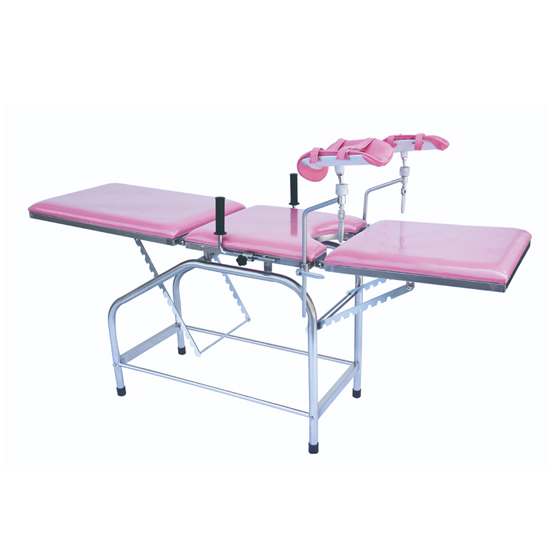
Manual beds rely on hand cranks or levers to adjust height, backrest angle, and leg supports. They are often more affordable upfront and require less maintenance (no electrical components to repair). However, they have limitations: adjusting positions takes more time and physical effort from staff, which can be a drawback during fast-paced deliveries. They’re best suited for facilities with low delivery volumes or tight budgets.
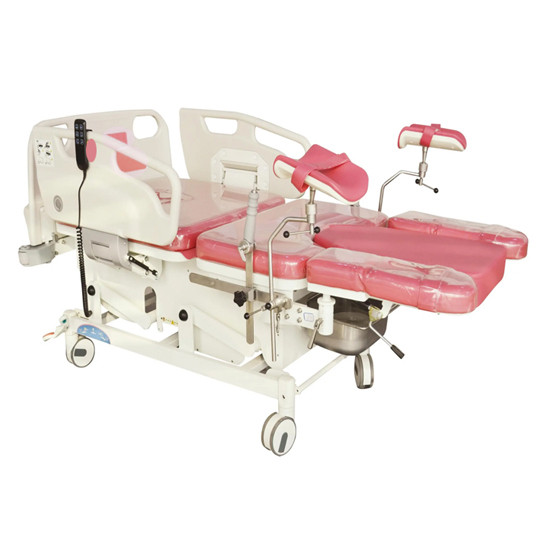
An electric delivery bed is powered by motors, allowing for quick, smooth adjustments at the touch of a button. This type of bed offers several advantages:
• Efficiency: Staff can adjust height, backrest, and leg sections in seconds, which is crucial during emergencies.
• Comfort: Mothers can easily shift positions to relieve pain or find a more comfortable labor stance, reducing stress.
• Versatility: Many electric models come with additional features like adjustable side rails, integrated footrests, or compatibility with medical equipment (e.g., fetal monitors).
While electric beds have a higher initial cost, their durability and time-saving benefits make them a preferred choice for most modern healthcare facilities.
Not all delivery beds are created equal. When evaluating options, prioritize these key features to ensure safety and functionality:
The bed should lower to a height that allows mothers to get in and out easily (ideal for early labor) and raise to a level that lets staff work comfortably. Look for beds that offer at least 4–5 position adjustments, including:
• Semi-reclined (for pushing during delivery)
• Flat (for post-delivery recovery)
• Trendelenburg (to address low blood pressure, if needed).
Sturdy, adjustable side rails prevent falls and give mothers something to grip during contractions. Ensure the rails are easy to lower (even with one hand) so staff can quickly access the delivery area. The bed’s base should also be wide and stable to avoid tipping, even when fully adjusted.
Hygiene is non-negotiable in maternal care. Choose a delivery bed with smooth, non-porous surfaces (e.g., stainless steel or high-grade plastic) that can be wiped down with disinfectants without damage. Avoid beds with crevices or hard-to-reach areas where bacteria can accumulate.
Check the bed’s weight limit to ensure it can safely support the mother, plus any additional equipment (e.g., monitors, pillows). Most standard obstetric beds have a weight capacity of 300–400 lbs, but heavy-duty models are available for larger patients.
Before making a purchase:
• Assess your space: Measure the room where the bed will be placed to ensure it fits comfortably, with enough space for staff to move around.
• Read reviews: Look for feedback from other healthcare facilities to learn about the bed’s durability and customer support.
• Consider after-sales service: For electric delivery beds, choose a manufacturer that offers timely maintenance and repair services—downtime can disrupt patient care.
A delivery bed is a foundational piece of equipment for any maternal care setting. By understanding the differences between manual and electric models, prioritizing key features like adjustability and safety, and aligning your choice with your facility’s needs, you can select an obstetric bed that supports both mothers and staff. Whether you opt for a reliable manual bed or an efficient electric delivery bed, investing in quality will pay off in better patient experiences and smoother clinical operations.


lingshi medical